
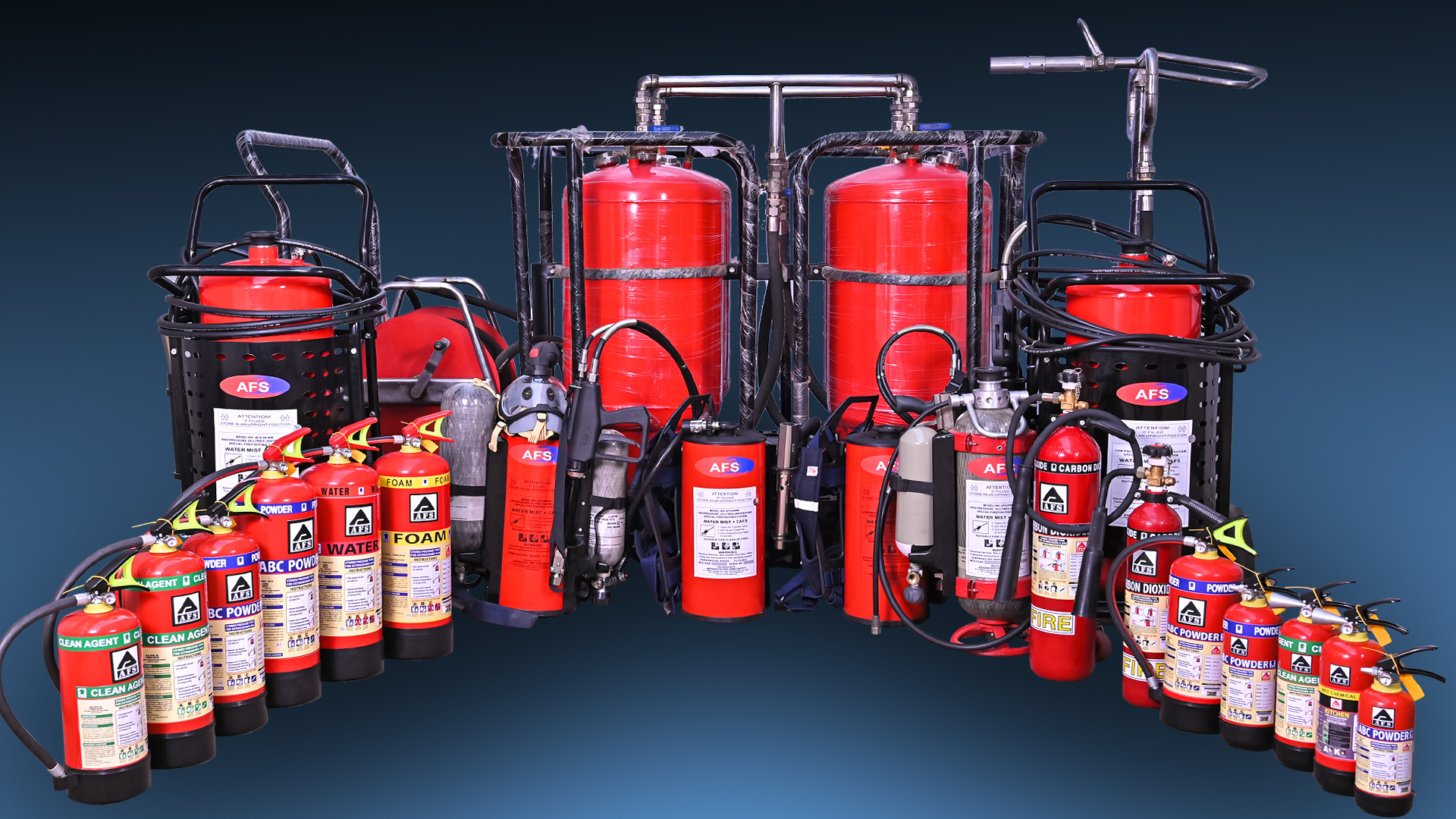
Fire safety is not just a legal requirement—it’s a lifesaving responsibility. One of the most versatile and commonly used fire safety tools is the ABC Type Fire Extinguisher. Whether in homes, offices, factories, or commercial buildings, this extinguisher plays a crucial role in controlling small fires before they turn into major disasters.
When it comes to fire safety, an ABC type fire extinguisher stands out as one of the most versatile and dependable options available. It is specifically designed to handle different classes of fire including Class A, Class B, and Class C, making it a solid choice for both homes and businesses. But like any crucial safety gear, it also needs the right care and regular maintenance to ensure that it offers excellent performance when you need it the most. We at Advanced Fire & Safety are here to help you extend the life of your extinguisher to ensure that you have reliable protection at all times. In this blog, we are sharing some essential maintenance tips to keep your ABC type fire extinguisher in the best and right condition.
In this complete guide, we’ll explore what an ABC fire extinguisher is, how it works, proper maintenance practices, and essential safety tips.
What Is an ABC Type Fire Extinguisher?
An ABC fire extinguisher is a multi-purpose dry chemical extinguisher designed to combat three types of fires:
- Class A – Fires involving ordinary combustible materials such as wood, paper, cloth, and plastics
- Class B – Fires caused by flammable liquids like petrol, diesel, oil, and paint
- Class C – Electrical fires involving live electrical equipment
Because of its versatility, the ABC extinguisher is widely recommended by safety authorities like the National Fire Protection Association.
How Does an ABC Fire Extinguisher Work?
ABC extinguishers typically contain a monoammonium phosphate dry chemical powder. When discharged:
- The powder forms a barrier between the fuel and oxygen.
- It interrupts the chemical reaction of the fire.
- It smothers and suppresses the flames quickly.
This makes ABC extinguishers effective for mixed-risk environments such as offices, warehouses, residential buildings, and retail spaces.
Where Should ABC Fire Extinguishers Be Installed?
ABC extinguishers are ideal for:
- Homes and apartments
- Office buildings
- Schools and colleges
- Warehouses and factories
- Commercial kitchens (for electrical and general fires, not cooking oil fires—Class K requires a different extinguisher)
According to safety standards like OSHA Fire Extinguisher Standard 29 CFR 1910.157, workplaces must ensure proper installation, accessibility, and inspection of fire extinguishers.
ABC Fire Extinguisher Maintenance Guide
Proper maintenance ensures your extinguisher works during emergencies.
1. Monthly Visual Inspection
- Check pressure gauge (needle should be in the green zone).
- Ensure the safety pin and tamper seal are intact.
- Inspect for visible damage, corrosion, or leakage.
- Confirm the extinguisher is easily accessible.
2. Annual Professional Inspection
A certified technician should:
- Check internal components
- Verify pressure levels
- Replace worn parts
- Re-tag the extinguisher
Many regulations reference standards like NFPA 10 for inspection and servicing requirements.
3. Hydrostatic Testing
Typically required every 5 to 12 years (depending on the extinguisher type), hydrostatic testing ensures the cylinder can safely withstand pressure.
4. Refilling & Recharging
Use only certified fire safety service providers.
Recharge immediately after use—even if partially discharged.
How to Use an ABC Fire Extinguisher (PASS Method)
Remember the PASS technique:
- P – Pull the safety pin
- A – Aim at the base of the fire
- S – Squeeze the handle
- S – Sweep from side to side
Always maintain a safe distance and ensure you have a clear exit path behind you.
Important Safety Tips
- Never use on cooking oil fires (use Class K instead).
- Avoid inhaling the dry chemical powder.
- Do not test spray unnecessarily.
- Replace extinguishers that are expired or damaged.
- Train employees or family members in proper usage.
Benefits of ABC Fire Extinguishers
- Multi-purpose protection
- Easy to operate
- Cost-effective
- Widely available
- Suitable for most environments
Common Mistakes to Avoid
- Ignoring routine inspections
- Blocking access to extinguishers
- Using the wrong type for specialized fires
- Failing to recharge after use
Conclusion
An ABC Type Fire Extinguisher is one of the most practical and essential fire safety tools for homes and businesses. However, owning one is not enough—regular inspection, maintenance, and proper training are critical.
By following standards such as NFPA 10 and complying with Occupational Safety and Health Administration regulations, you can ensure maximum protection and preparedness.
Invest in safety today—because when it comes to fire, every second counts. At Advanced Fire & Safety, we emphasize proactive fire safety practices to protect lives and property. By giving your extinguisher the care it deserves, you can be confident that it will protect you effectively when the need arises.
Frequently Asked Questions (FAQs)
1. What does “ABC” mean on a fire extinguisher?
“ABC” refers to the three classes of fires the extinguisher can handle:
- Class A – Wood, paper, cloth, and other ordinary combustibles
- Class B – Flammable liquids like petrol, oil, and paint
- Class C – Electrical fires involving energized equipment
2. Can an ABC fire extinguisher be used on electrical fires?
Yes. ABC extinguishers are safe for Class C (electrical) fires because the dry chemical powder does not conduct electricity.
3. Is an ABC extinguisher suitable for kitchen fires?
It can be used for small electrical or general fires in kitchens. However, it should not be used on cooking oil or grease fires (Class K). For those, a specialized Class K extinguisher is required.
4. How often should an ABC fire extinguisher be inspected?
According to NFPA 10:
- Monthly visual inspections
- Annually by a certified professional
- Hydrostatic testing every 5–12 years, depending on the model
5. How long does an ABC fire extinguisher last?
Most ABC fire extinguishers have a lifespan of 5 to 15 years, depending on maintenance and manufacturer guidelines. Regular servicing extends usability.
6. What should I check during a monthly inspection?
- Pressure gauge in green zone
- Safety pin and seal intact
- No visible damage or corrosion
- Clear and accessible placement
- Inspection tag up to date
7. What happens if the extinguisher is partially used?
It must be recharged immediately, even if only a small amount was discharged. A partially used extinguisher may not function properly during the next emergency.
8. Is the powder inside harmful?
The monoammonium phosphate powder can cause:
- Mild skin irritation
- Breathing discomfort if inhaled
- Residue damage to electronics
After discharge, ventilate the area and clean residue promptly.
9. Where should ABC fire extinguishers be installed?
They are recommended for:
- Homes and apartments
- Offices
- Warehouses
- Schools
- Commercial buildings
Workplaces must follow regulations like OSHA Fire Extinguisher Standard 29 CFR 1910.157 to ensure proper placement and maintenance.
10. How do I use an ABC fire extinguisher?
Use the PASS method:
- Pull the pin
- Aim at the base of the fire
- Squeeze the handle
- Sweep side to side
11. Can I refill an ABC fire extinguisher myself?
No. Refilling and servicing should always be done by a certified fire safety technician to ensure safety and compliance.
12. What are the signs that an extinguisher needs replacement?
- Pressure gauge not in green
- Broken safety seal
- Rust or visible damage
- Expired service date
- Failed hydrostatic test

