
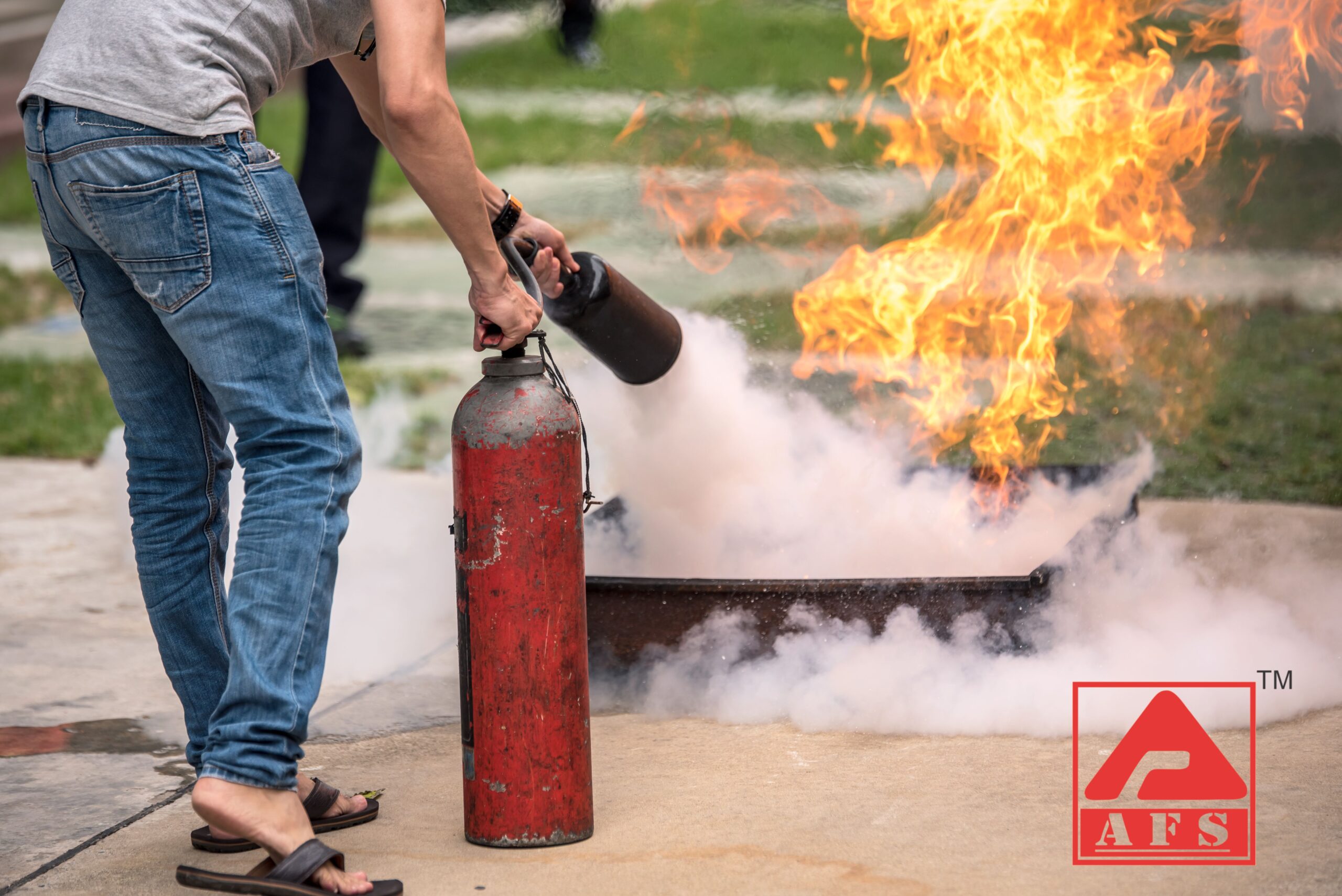
Fire protection is crucial in places where water based system might do more harm than the fire itself. That’s why Clean Agent Suppression System is the perfect answer. Advance Fire Safety has made these system that are made to put out fire without leaving any mess behind which makes them popular in data centers, server rooms, medical plant, archives, control room and other delicate settings.
Understanding Clean Agent Suppression System:
It uses gaseous fire extinguishing agents that are safe for occupied areas, environmentally friendly areas and electrically non-conductive. Unlike conventional water sprinklers or foam systems, clean agents effectively suppress fires without harming electronic devices, important documents or valuable assets. This system function by either absorbing heat from the flames or reducing oxygen levels which is just enough to halt combustion. The fire is quickly extinguished, usually within seconds, which helps in minimizing downtime and avoid expensive damage.
How Does Clean Agent Suppression System Work?
When smoke or heat detector picks a fire the system automatically releases a clean agent into the area that needs protection. The gas spreads quickly and evenly throughout the room after hitting the fire right at its source. There are two main type of clean agents:
- Chemical Agents: It is like FM 200 and Novec 1230 – as this extinguishes fire by absorbing heat and disrupting the chemical reaction that can cause combustion.
- Inert Gas Agents: It is like IG 541 and IG 55 – it lowers the oxygen level to a point where combustion cannot happen all while being safe for people to be around.
The system is designed to act quickly which usually suppresses flame within 10 seconds of discharge.
Key Benefits of Clean Agent Suppression System:
1. No Residue: The cleaning agents do not leave any residue behind after use, which means you won’t have to deal with a big cleanup. This system is great for keeping your valuable equipment safe.
2. Safe for Electronics: Since these agents are non-conductive and non-corrosive, these systems are just right for places like data centers, server rooms and electrical panels.
3. Fast Fire Suppression: The system acts fast which helps to stop fires from spreading and reduce the time for operations.
4. Eco-Friendly: Today’s clean agent suppression system are made to have a low global warming potential (GWP) and no ozone depletion potential (ODP).
5. Space Saving: Currently, Clean agent systems takes up less storage space than conventional fire suppression systems.
Where Are Clean Agent Suppression System Used?
A clean agent suppression system by AFS Fire Safety is installed in:
- Data center & IT server rooms’
- Telecom plant
- Electrical control panel
- Medical laboratories
- Museums & archives
- Banking & financial institution
- Industrial control rooms
These environment contains sensitive equipment or material that can be damaged by water based system.
Why Opt for Clean Agent Instead of Water-Based Systems?
While traditional sprinkler systems work well in various situations, it can lead to secondary damage to electronics and other important documents. On the other hand, a clean agent suppression system provides fire protection without causing any collateral damage. This helps in maintaining business operations and lowers recovery costs after a fire incident. Moreover, a clean agent systems are built to meet international fire safety standards, which makes them a reliable and effective choice for modern infrastructure.
Conclusion:
A clean agent suppression system is an advance fire protection solution customized for settings where safeguarding assets and minimizing trouble is essential. By quickly extinguishing fires without leaving residue or causing water damage, as it assures safety, operational continuity and environmental responsibility. If you’re aiming to safeguard valuable equipment and sensitive areas, investing in an Advance Fire System is a wise and forward thinking decision.

