
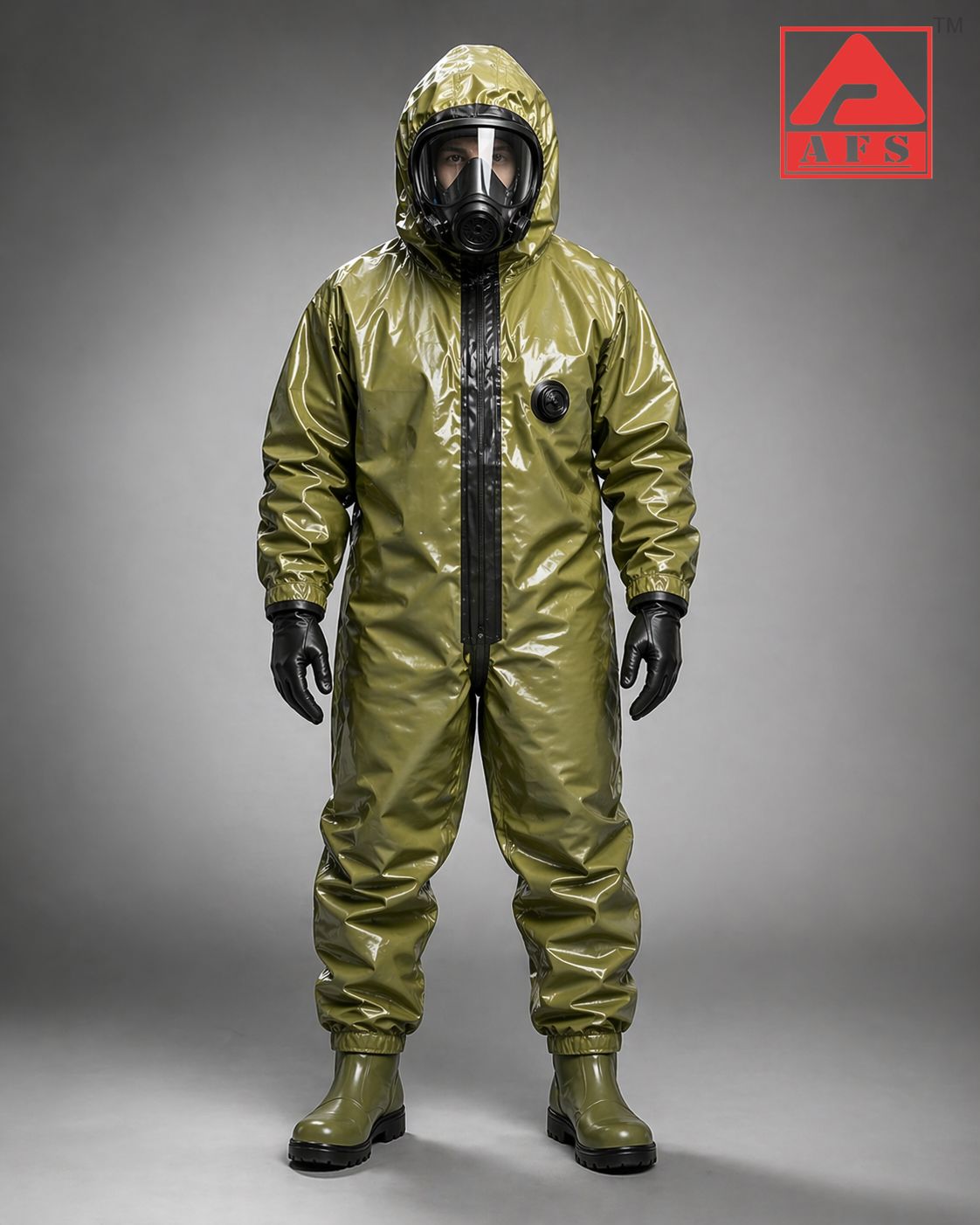
In high-risk environments where exposure to hazardous substances is possible, safety is not optional—it’s critical. A CBRN suit is one of the most advanced forms of personal protective equipment (PPE), designed to protect individuals from Chemical, Biological, Radiological, and Nuclear threats.
From military operations to industrial safety and emergency response, CBRN suits play a vital role in safeguarding lives. In this guide, we’ll explain everything you need to know about CBRN suits, including their uses, types, working mechanism, and protection levels.
What is a CBRN Suit?
A CBRN suit is a specialized protective garment designed to shield the wearer from hazardous materials such as toxic chemicals, infectious agents, radioactive particles, and nuclear fallout.
These suits are fully sealed and often used in combination with respiratory protection systems to ensure complete safety in contaminated environments.
Uses of CBRN Suits
CBRN suits are used across multiple industries and critical sectors:
- Military & Defense
Soldiers use CBRN suits during chemical warfare scenarios and nuclear threat environments.
- Fire & Emergency Services
First responders wear these suits while handling hazardous material (HAZMAT) incidents, chemical leaks, or disaster zones.
- Healthcare & Biohazard Handling
In cases of infectious disease outbreaks or lab research, CBRN suits protect healthcare workers from biological threats.
- Industrial Safety
Workers in chemical plants, oil & gas, and manufacturing units use these suits to prevent exposure to toxic substances.
- Disaster Management
Used during nuclear accidents, chemical spills, or environmental disasters to ensure responder safety.
Types of CBRN Suits
CBRN suits are classified based on their design, material, and level of protection:
- Air-Purifying CBRN Suits
Use filters to clean surrounding air
Lightweight and more comfortable
Suitable for low to moderate risk environments - Air-Supplied CBRN Suits
Provide clean air from an external source
Used in highly toxic or oxygen-deficient environments - Fully Encapsulated Suits
Completely sealed suits covering the entire body
Offer the highest level of protection
Often used in extreme hazard scenarios - Splash-Protective Suits
Protect against liquid chemicals but not gases
Used in less hazardous environments
How Does a CBRN Suit Work?
A CBRN suit works by creating a protective barrier between the wearer and hazardous agents.
- Barrier Protection
The suit is made of multi-layered materials that prevent penetration of harmful substances.
- Sealed Design
Tight seals at joints, zippers, and openings ensure no contaminants enter the suit.
- Filtration or Air Supply
Depending on the type, the suit either filters contaminated air or provides clean air from an external source.
- Integration with PPE
CBRN suits are used with gloves, boots, masks, and respirators to provide full-body protection.
CBRN Suit Protection Levels
CBRN suits are categorized into different protection levels based on the severity of the hazard:
Level A (Maximum Protection)
- Fully encapsulated suit
- Highest level of respiratory and skin protection
- Used in extreme hazardous environments
Level B
- High respiratory protection but slightly less skin protection
- Used when breathing hazards are severe but skin exposure is lower
Level C
- Moderate protection with air-purifying respirators
- Suitable for controlled environments
Level D (Minimum Protection)
- Basic protective clothing
- Used in low-risk situations
Key Features of a High-Quality CBRN Suit
- Chemical-resistant materials
- Airtight sealing system
- Compatibility with breathing apparatus
- Durable and tear-resistant fabric
- Comfortable fit for extended use
Conclusion
CBRN suits are essential for protecting individuals in hazardous environments where exposure to dangerous substances can be life-threatening. Whether used by military personnel, emergency responders, or industrial workers, these suits provide a critical layer of safety.
Understanding their uses, types, working mechanisms, and protection levels helps organizations and individuals choose the right suit for their specific needs.
Looking for Reliable CBRN Safety Solutions?
If you’re planning to invest in high-quality protective gear, Advanced Fire & Safety offers expert solutions in safety equipment and training.
Get in touch with Advanced Fire & Safety today to find the right CBRN suit and ensure maximum protection for your team.
FAQs
Q1. What does CBRN stand for?
CBRN stands for Chemical, Biological, Radiological, and Nuclear.
Q2. Who uses CBRN suits?
Military personnel, firefighters, healthcare workers, and industrial workers use these suits.
Q3. Are CBRN suits reusable?
Some are reusable with proper decontamination, while others are disposable.
Q4. What is the highest protection level in CBRN suits?
Level A provides the highest level of protection.

