
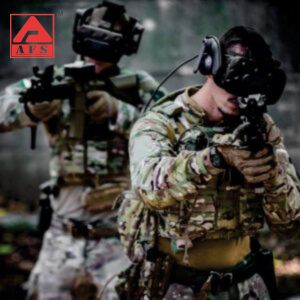
Virtual Reality (VR) is no longer just for gaming—it’s transforming how people learn, practice, and perform in real-world environments. VR training simulators are now widely used across industries to provide immersive, risk-free, and cost-effective training experiences.
In this guide, we’ll break down everything you need to know about VR training simulators, including their benefits, real-world use cases.
What are VR Training Simulators?
VR training simulators are digital environments created using virtual reality technology where users can practice real-world tasks in a fully immersive setting. By wearing a VR headset, trainees can interact with simulated scenarios that mimic real-life conditions.
These simulators are designed to improve skills, enhance decision-making, and reduce training risks—without the consequences of real-world mistakes.
Key Benefits of VR Training Simulators
- Risk-Free Learning Environment
One of the biggest advantages is safety. Trainees can practice dangerous or complex tasks—like operating machinery or performing surgeries—without real-world risks.
- Improved Knowledge Retention
Studies show that immersive learning leads to better memory retention compared to traditional methods. VR allows users to “learn by doing,” which strengthens understanding.
- Cost Savings Over Time
While initial setup costs can be high, VR reduces long-term expenses like travel, physical equipment, and instructor fees.
- Scalable Training
Organizations can train multiple employees simultaneously across different locations without needing physical infrastructure.
- Real-Time Feedback & Analytics
Many VR systems provide performance tracking, helping trainers identify skill gaps and improve training programs.
Top Use Cases of VR Training Simulators
- Healthcare Training
Medical professionals use VR to practice surgeries, patient care, and emergency procedures in a controlled environment.
- Aviation & Pilot Training
Flight simulators are one of the earliest and most advanced uses of VR, helping pilots train safely and efficiently.
- Manufacturing & Industrial Safety
Workers can learn how to operate heavy machinery and handle hazardous situations without real-world exposure.
- Military & Defense
VR is used for combat simulations, strategy training, and mission rehearsals.
- Corporate & Soft Skills Training
Companies use VR for leadership training, communication skills, and customer service scenarios.
VR Training Simulators vs Traditional Training
| Feature | VR Training | Traditional Training |
|---|---|---|
| Safety | High | Medium to Low |
| Cost (Long-Term) | Lower | Higher |
| Engagement | Very High | Moderate |
| Scalability | Easy | Limited |
| Real-World Practice | Simulated | Physical |
Challenges of VR Training Simulators
While VR offers many benefits, there are some limitations:
- High initial investment
- Motion sickness for some users
- Need for technical setup and support
- Limited realism in certain scenarios
Future of VR Training Simulators
The future looks promising. With advancements in AI, haptics, and cloud computing, VR training will become even more realistic and accessible. Expect more industries to adopt this technology as costs decrease and performance improves.
Conclusion
VR training simulators are transforming modern learning by making training safer, more engaging, and highly effective. From healthcare to industrial safety, organizations are leveraging virtual reality to reduce risks, cut costs, and improve employee performance.
As technology continues to evolve, adopting VR-based training is no longer just an innovation—it’s becoming a necessity for businesses that want to stay competitive and future-ready.
If you’re looking to implement cutting-edge VR training for safety and skill development, Advanced Fire & Safety can help you get started.
With expertise in safety training solutions and modern simulation technologies, Advanced Fire & Safety provides tailored programs designed to enhance workforce preparedness and minimize real-world risks.
Contact Advanced Fire & Safety to explore how VR training simulators can transform your organization’s training approach.
FAQs
Q1. What industries use VR training simulators?
Healthcare, aviation, manufacturing, military, and corporate sectors widely use VR training.
Q2. Are VR training simulators expensive?
Initial costs can be high, but they save money in the long run by reducing training expenses.
Q3. Do VR simulators improve learning?
Yes, they improve engagement and retention through immersive, hands-on experiences.

