
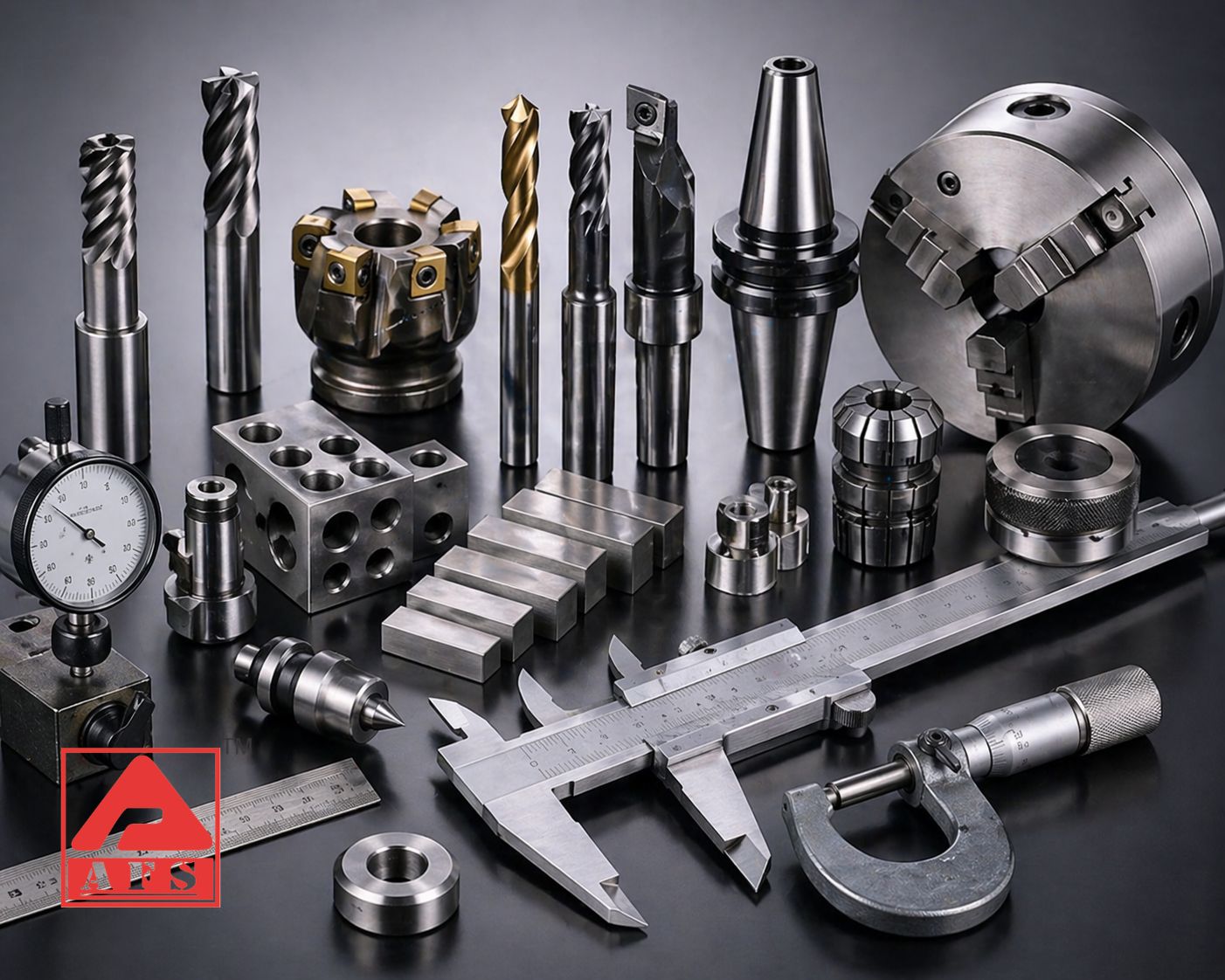
In modern manufacturing, accuracy is everything. Even the smallest deviation can impact product quality, safety, and performance. That’s where machine precision tools come into play. These tools are designed to deliver high accuracy, consistency, and efficiency in industrial operations.
In this guide, we’ll explore what machine precision tools are, their types, uses, and why they are essential in today’s manufacturing environment.
What Are Machine Precision Tools?
Machine precision tools are specialized instruments and equipment used to measure, cut, shape, and manufacture components with extremely high accuracy. These tools are widely used in industries where precision is critical, such as aerospace, automotive, and engineering.
They help ensure that every part meets exact specifications, reducing errors and improving overall product quality.
Types of Machine Precision Tools
1. Measuring Tools
These tools are used to check dimensions and tolerances.
- Vernier calipers
- Micrometers
- Dial indicators
- Height gauges
2. Cutting Tools
Used to shape and remove material from a workpiece.
- Milling cutters
- Drill bits
- Lathe tools
- Reamers
3. CNC Machine Tools
Computer-controlled tools that provide high precision and automation.
- CNC milling machines
- CNC lathes
- CNC grinders
4. Grinding Tools
Used for fine finishing and achieving smooth surfaces.
- Surface grinders
- Cylindrical grinders
5. Alignment & Calibration Tools
Ensure machines are properly aligned and calibrated.
- Laser alignment tools
- Gauge blocks
Uses of Machine Precision Tools
Machine precision tools are essential in various industries:
- Automotive Industry
Used for manufacturing engine parts, gears, and components with tight tolerances.
- Aerospace Industry
Critical for producing aircraft parts where even minor errors can be dangerous.
- Manufacturing & Engineering
Used in mass production to ensure consistency and quality.
- Medical Equipment
Precision tools help create surgical instruments and implants.
- Electronics Industry
Used in the production of small, intricate components like circuit boards.
Benefits of Machine Precision Tools
- High Accuracy
Ensures components meet exact measurements and standards.
- Improved Product Quality
Reduces defects and enhances reliability.
- Increased Efficiency
Automation and precision reduce production time and waste.
- Cost Savings
Minimizes errors, rework, and material wastage.
- Consistency in Production
Maintains uniformity across large production batches.
How to Choose the Right Machine Precision Tools
When selecting precision tools, consider:
- Required accuracy level
- Type of material being processed
- Production volume
- Budget and cost-effectiveness
- Compatibility with existing machinery
Future of Machine Precision Tools
With advancements in automation, AI, and smart manufacturing, machine precision tools are becoming more intelligent and efficient. Integration with IoT and real-time monitoring systems is further enhancing productivity and accuracy.
Conclusion
Machine precision tools play a critical role in modern manufacturing by ensuring accuracy, consistency, and efficiency across various industries. From automotive and aerospace to medical and electronics, these tools help businesses maintain high-quality standards while reducing errors and production costs.
As technology continues to evolve, investing in the right precision tools is essential for staying competitive and achieving long-term operational success.
Upgrade Your Precision & Safety with Advanced Fire & Safety (AFS)
If you’re looking to enhance both precision engineering and workplace safety, Advanced Fire & Safety (AFS) offers reliable solutions tailored to your industrial needs.
With expertise in safety equipment, training, and advanced industrial solutions, AFS helps businesses improve performance while ensuring a safe working environment.
Connect with Advanced Fire & Safety (AFS) to explore high-quality solutions that combine precision, safety, and reliability for your operations.
FAQs
Q1. What are machine precision tools used for?
They are used for measuring, cutting, and shaping materials with high accuracy in manufacturing.
Q2. What industries use precision tools?
Automotive, aerospace, electronics, medical, and engineering industries.
Q3. Are CNC machines considered precision tools?
Yes, CNC machines are advanced precision tools used for automated and accurate manufacturing.

